
"Chinese coffee methods"
6000 article(s) found
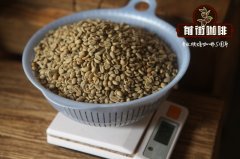
Have you ever exported raw Jamaican coffee beans to Chinese mainland? where do Chinese Jamaican coffee beans come from?
Professional coffee knowledge exchange more coffee bean information please follow the coffee workshop (Wechat official account cafe_style) the answer is: of course the export has been here! According to data from the World Trade Organization and Chinese Customs, the total global exports of Jamaican coffee in the past five years are as follows: 842 tons in 2011, 592 tons in 2012, 692 tons in 2013, 449 tons in 2014, 555 tons in 2015.

The origin of coffee and when was it introduced into China?
The word coffee comes from the Greek word Kaweh, which means strength and enthusiasm. Coffee tree is an evergreen shrub of Capsaceae. Daily coffee is made from coffee beans combined with a variety of cooking utensils, and coffee beans refer to the nuts in the fruit of coffee trees, which are then roasted with appropriate roasting methods. In ancient China, Shennong tasted all kinds of herbs and recorded them one by one.

To learn coffee, we must first understand the historical reasons of the coffee trend of the three giants.
At first, it was the delicious three-in-one instant coffee, and then it changed to the fancy coffee represented by Starbucks. Now, more and more people are beginning to accept drinking black coffee without sugar and milk to taste the pure flavor of the beans themselves. The first wave of coffee arose from instant coffee, represented by Nestl é and Maxwell, which tasted delicious and fragrant.

Asian coffee flavor Chinese Yunnan coffee beans Yunnan small granule coffee Tibica and Catmo
When it comes to Asian coffee, the first impression of coffee lovers is often calm and calm. Asian coffee is generally characterized by thick flavor, strong sweetness and round taste, but slightly flat aroma and brightness. It is precisely because of the heavy nature of Asian coffee that it is very suitable to be used as a base when making Italian coffee. Raw coffee beans in Asia are generally processed by wet or semi-wet methods.

What is Espresso? General knowledge of Chinese-style coffee roasting
Medium-style baking when we bake deeper and more sugar begins to be carbonized or cut off, it is called medium-style baking. Espresso with this baking degree is usually popular in Florida. This kind of formula produces slightly darker beans, which tend to taste bitter. But the baking degree is not deep enough to wipe out all the flavor characteristics of the region.

Chinese soy milk coffee is a new delicacy of the combination of China and the West.
Soybean milk coffee soybean milk is a high-fiber food, can enhance gastrointestinal peristalsis function, so that the lower abdomen is no longer protruding. And diuresis and perspiration, reduce the chance of edema, but also take away part of the heat. In addition, soybean milk is also rich in unsaturated fatty acids, which can decompose cholesterol in the body and promote lipid metabolism. Preparation method: 1. Pour half a cup of hot coffee and set aside; heat the soybean milk slightly in the microwave oven, and then add

Forecast of Chinese coffee market? The development trend of Chinese coffee market?
Professional coffee knowledge exchange more coffee bean information follow coffee workshop (Wechat official account cafe_style) it is estimated that in the next five years, China's coffee market will maintain a high growth rate, with an annual compound growth rate of about 8.3%; by 2021, China's coffee market will reach 22.069 billion yuan. Because tea has always occupied a monopoly position in Chinese tradition, making coffee in the middle

The rise and Development of Coffee Culture in China
The word coffee introduced into China comes from the Greek word Kaweh, which means strength and enthusiasm. Coffee tree is an evergreen shrub of Capsaceae. Daily coffee is made from coffee beans combined with a variety of cooking utensils, and coffee beans refer to the nuts in the fruit of the coffee tree, which are then roasted with appropriate roasting methods. When the banshee image of Starbucks gradually became familiar to the Chinese.
Soya-bean milk coffee Chinese and Western combination of slimming and health benefits of delicious coffee
Today, Fulaigao introduces a combination of Chinese and Western: soy milk coffee. Soy milk coffee has the advantages of low calorie, simple production, unique flavor, and easy to make people feel full, so it can replace some high-fat, high-calorie foods and keep you slim when eating and drinking. Soybean milk is a high-fiber food, which can enhance gastrointestinal peristalsis and make the lower abdomen no longer protruding.
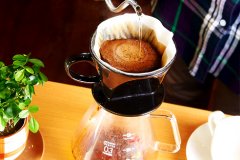
When was coffee introduced into China? Spread and Development of Coffee in China
The word coffee comes from the Greek word Kaweh, which means strength and enthusiasm. Coffee tree is an evergreen shrub of Capsaceae. Daily coffee is made from coffee beans combined with a variety of cooking utensils, and coffee beans refer to the nuts in the fruit of coffee trees, which are then roasted with appropriate roasting methods. In ancient China, Shennong tasted all kinds of herbs and recorded them one by one.

Chain restaurant brand building method Food and Beverage restaurants should first seize resources
In the catering industry, ordinary brand restaurants and restaurants have to be decorated every year or two, otherwise they will be crushed by competitors with high investment in decoration. But this is not the case with well-known brands. Who has ever seen McDonald's change its decoration in three or two years? the customer is directed at McDonald's. The low-level competition in the catering industry is decoration and price, while the high-level competition is brand and service. Make a franchise chain.
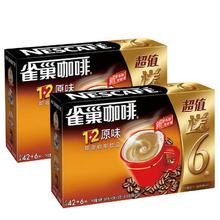
Analysis of three Coffee Trends in the World knowledge of instant coffee, Starbucks coffee and boutique coffee
From instant drinking to sitting in a coffee shop to hand brewing, this is the love process between most coffee lovers and coffee. Importantly, this is also a true portrayal of the three waves of coffee. When you drink coffee, you have to know its history. The first wave of coffee arose from instant coffee, represented by Nestl é and Maxwell, which tasted delicious and Didi fragrant, almost the enlightenment of mainland coffee.

Honey-treated Indonesian coffee Lasuna Vahana Manor coffee flavor and taste characteristics of boutique coffee
After entering the 1960s, there are still many large-scale anti-China and anti-Chinese riots in Indonesia, such as the anti-Chinese riots that spread from West Java to Central and East Java from March to May 1963, the all-Indonesian anti-Chinese wave in 1965-1967, the anti-Chinese riots caused by the anti-Japanese movement in 1974, the anti-China riots caused by student demonstrations in Jakarta in 1978, and the anti-Chinese riots in Java in mid-November 1980.

History of Coffee Development in China when was the coffee shop popular?
Coffee shop individual Chinese began to taste and drink coffee may have begun during the Tongzhi period. In the fifth year of Tongzhi (1866), Mrs. Gopiti, an American missionary in Shanghai, published a Book of making Foreign Rice, which was written for foreigners who came to China to eat western food and train Chinese cooks and cooks. In addition to transliterating coffee into fattening, the book also teaches how to make and cook coffee: fierce.

How about Hainan Xinglong Coffee? Hainan Coffee Brand Xinglong Coffee introduction _ Xinglong Coffee is good?
Professional coffee knowledge exchange more coffee bean information Please pay attention to Coffee Workshop (Wechat official account cafe_style) Xinglong Coffee was introduced and planted by Xingxing overseas Chinese in 1953. Although this variety has a short planting history, it has been well received by Zhou Enlai, Zhu de and others. About ● 1 Xinglong Coffee is located in Xinglong overseas Chinese Farm in Hainan Xinglong overseas Chinese Tourism Economic Zone.
Coffee introduced into China and Chinese Coffee Culture
There are several meanings to say that coffee was introduced into China: first, coffee was introduced into China and was initially consumed by European and American people who came to China; second, there were commercial cafes where ordinary people, Chinese and foreign people could drink and entertain themselves; and third, coffee was cultivated in the field in China, produced and sold for its own use.

The aroma of coffee in Wanning Town, Hainan, China, brings the pride of Wanning people to coffee and the history of prosperous coffee.
Professional coffee knowledge exchange more coffee bean information Please follow the coffee workshop (Wechat official account cafe_style) to make a cup of coffee just like making tea. In the most traditional cooking method, a slender aluminum pot boils water, and the coffee girl holds a gauze leak, which contains ground coffee powder, which is pulled up and down in the aluminum pot, leaving the most original coffee in the boiling water.
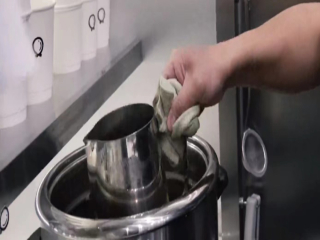
Steaming coffee in a purple sand pot?! There is a new breakthrough in Chinese extraction!
Professional coffee knowledge exchange more coffee bean information please follow the coffee workshop (Wechat official account cafe_style) more boutique coffee beans please add private Wechat Qianjie coffee, WeChat: qjcoffeex this time last year, a coffee shop in Shanghai used "waterproof stew" to extract coffee.

Tips and Mistakes in Using Siphon Kettle American Fine Coffee Society Chinese Coffee Net Siphon Coffee Making
The use of siphon pot skills and errors: 1. When stirring coffee, it is important to stir evenly, so that coffee can be fully extracted. When Bird Brother learned siphon coffee making in the early years, he knew that a cross method of stirring was very complicated and mysterious. Later, he learned that because the coffee teaching courses in the early years were mostly based on siphon pots, if only stirring evenly, students would feel that there was no technical content to pay tuition fees.